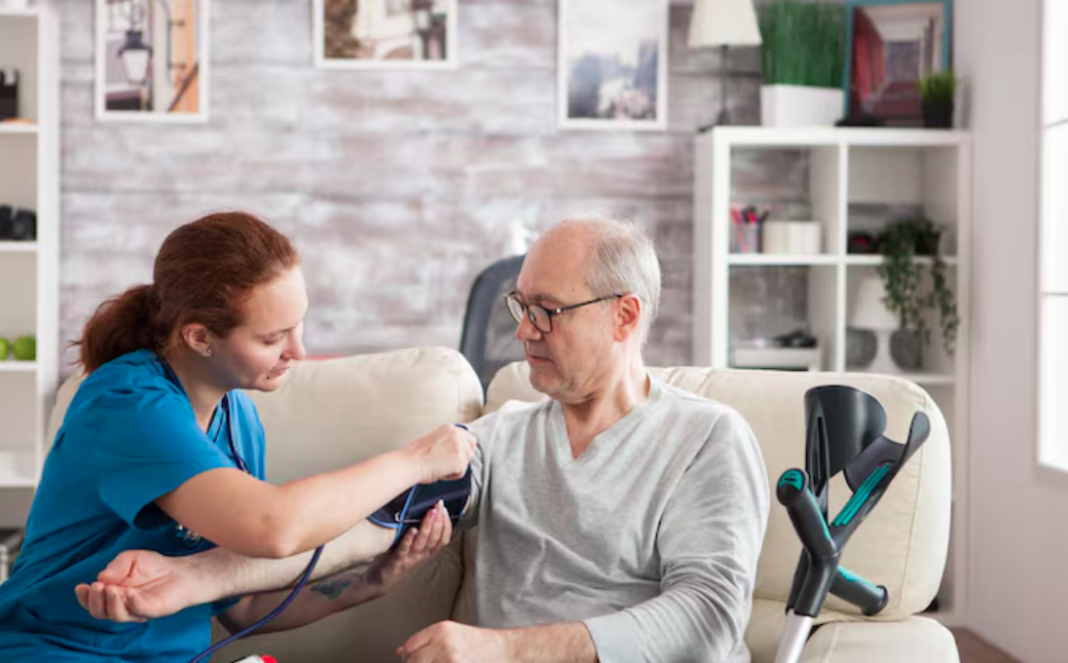
Maintaining independence is a fundamental desire for individuals as they navigate the challenges of aging, disability, or recovery from surgery. The ability to manage one’s own life and make personal choices provides a sense of dignity and purpose that is essential for psychological well-being.
Professional support systems are designed specifically to bolster this autonomy rather than replace it. By providing targeted assistance within a private residence, home care services ensure that individuals can continue to live on their own terms while receiving the exact level of help required to remain safe and healthy.
1. Customizing Support to Individual Capabilities
The most effective way to promote independence is through a personalized support plan that recognizes an individual’s existing strengths. Unlike institutional settings that often follow rigid schedules, residential assistance is highly flexible.
Caregivers assess what a person can do for themselves and step in only when necessary. This approach ensures that the individual remains active in their own daily routines, such as light housekeeping or meal preparation.
By using home care to fill specific gaps in capability, the system reinforces the user’s ability to govern their own life and environment.
2. Facilitating Safe Mobility and Self-Reliance
Loss of mobility is a frequent barrier to independence, as it limits a person’s ability to move freely within their home or community. Professional assistants provide the physical support needed to navigate stairs, transfer from seating, or walk safely on uneven surfaces.
This physical aid prevents the fear of falling, which often leads to self-imposed isolation and a sedentary lifestyle.
With the right support, individuals feel more confident moving around their space, which preserves their muscle strength and coordination, ultimately helping them stay self-reliant for a longer period.
3. Promoting Nutritional Health and Physical Vitality
A healthy diet is the foundation of the energy required to live independently. However, grocery shopping and complex cooking can become difficult for those with physical limitations.
Support workers assist with meal planning and preparation, ensuring that the individual receives balanced nutrition tailored to their medical needs.
This aspect of home care ensures that the body remains strong enough to perform daily tasks. Proper hydration and nutrition prevent the fatigue and weakness that often force people to transition into more restrictive living arrangements.
4. Empowering Individuals Through Technology and Tools
Modern independence is often facilitated by assistive technologies and specialized home modifications. Caregivers are trained to help individuals utilize these tools, from medical alert systems to smart home devices that control lighting and temperature.
They also suggest practical adjustments like grab bars or accessible shelving. By teaching the individual how to use these resources effectively, the caregiver empowers them to manage their environment with less human intervention.
This technological integration is a key component of modern home care that promotes a high degree of daily autonomy.
5. Supporting Cognitive Function and Mental Clarity
Independence is as much a mental state as it is a physical one. Engaging in regular conversation and cognitive exercises helps keep the mind sharp and the spirit positive. Caregivers provide the mental stimulation necessary to maintain decision-making skills and memory.
When an individual is mentally engaged, they are better equipped to manage their own finances, medical appointments, and social calendar.
This holistic focus on brain health ensures that the individual retains the mental clarity needed to direct their own care and remain the primary authority in their own life.
