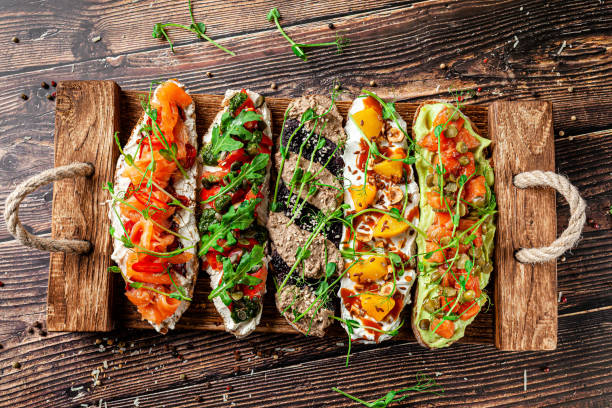
Spanish food is a vibrant celebration of bold flavors, regional diversity, and social dining. Rooted in tradition yet full of energy, Spanish cuisine reflects the country’s sunny climate, rich history, and passion for togetherness.
The Culture of Tapas
One of Spain’s most famous food traditions is tapas — small dishes meant to be shared. Popular tapas include:
-
Patatas bravas
-
Gambas al ajillo (garlic shrimp)
-
Croquettes and olives
Tapas culture encourages socializing, making food a communal experience rather than a solo meal.
Regional Diversity Across Spain
Spanish cuisine changes dramatically from region to region:
-
Andalusia is known for fried seafood and gazpacho
-
Catalonia blends land and sea flavors
-
Basque Country is famous for pintxos and fine dining
-
Valencia is the birthplace of paella
Each region brings its own ingredients, techniques, and identity.
Paella: Spain’s Signature Dish
Paella is Spain’s most iconic dish, traditionally cooked in a wide pan and flavored with saffron. Variations include:
-
Seafood paella
-
Chicken and rabbit paella
-
Vegetable paella
It represents Spanish cooking at its most festive.
Olive Oil, Seafood, and Fresh Produce
Spanish food relies heavily on:
-
Extra virgin olive oil
-
Fresh seafood
-
Tomatoes, peppers, and herbs
These ingredients create dishes that are both healthy and full of flavor.
Cured Meats, Cheese, and Wine
Spain is famous for jamón ibérico, chorizo, and a wide range of cheeses. Meals are often paired with regional wines or sangria, enhancing the dining experience.
Why Spanish Food Matters
Spanish cuisine celebrates simplicity, freshness, and community. Its influence can be seen worldwide, from tapas bars to Michelin-star restaurants, proving that great food is best enjoyed together.
