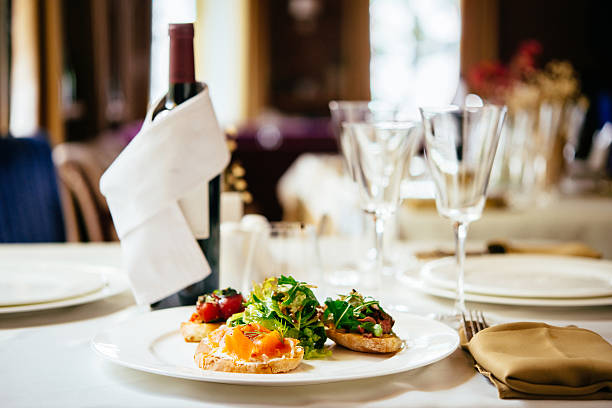
French food is often described as the foundation of modern gastronomy, known for its elegance, technique, and deep respect for ingredients. From rustic countryside meals to refined Michelin-star dining, French cuisine blends tradition with sophistication.
The Philosophy of French Cooking
At the heart of French cuisine is technique. Sauces, knife skills, and precise cooking methods define the cuisine. French cooking values:
-
Balance of flavors
-
Careful preparation
-
Seasonal and local ingredients
This approach has influenced chefs around the world.
Regional Richness Across France
French cuisine varies by region:
-
Provence features olive oil, herbs, and Mediterranean flavors
-
Burgundy is known for rich sauces and wine-based dishes
-
Normandy uses butter, cream, and apples
-
Alsace blends French and German culinary traditions
Each region tells a story through its food.
Iconic French Dishes
Some world-famous French dishes include:
-
Croissants and baguettes
-
Coq au Vin
-
Ratatouille
-
Beef Bourguignon
These dishes showcase comfort and refinement in equal measure.
Cheese, Wine, and Bread Culture
France produces hundreds of cheeses, from Brie and Camembert to Roquefort. Wine is an essential part of meals, often paired carefully with food. Bread is not just a side — it is a daily ritual.
Desserts and Pastry Excellence
French desserts are celebrated for their craftsmanship. Classics include:
-
Macarons
-
Crème Brûlée
-
Éclairs and tarts
French pastry chefs are admired globally for their precision and creativity.
Why French Food Matters
French cuisine represents culture, discipline, and artistry. Its influence can be seen in culinary schools, fine dining, and home kitchens worldwide, making it one of the most respected food traditions on Earth.
