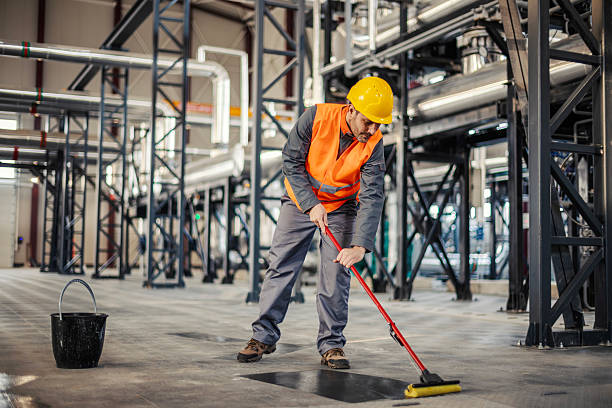
I didn’t really understand how serious industrial cleaning was until I walked into a warehouse that looked clean from far away but smelled like old oil and dust the moment you stepped in. That’s kind of the reality many businesses deal with quietly. Companies searching for Industrial Cleaning Services in Greeley Co usually aren’t doing it for appearances — they’re doing it because production slows down, employees complain, or safety audits suddenly become very real. And honestly, once grime starts building up in a factory environment, it spreads faster than gossip in a WhatsApp group.
Why warehouses get dirty faster than people expect
Warehouses aren’t like offices where you wipe desks and vacuum carpets and call it a day. Dust mixes with forklift tire residue, packaging debris, metal particles, and sometimes chemical leftovers. Even places that look organized can hide layers of buildup along beams, vents, and flooring edges. I’ve seen videos floating around LinkedIn where facility managers joke that cleaning remembered them only when an inspection email arrives. Funny, but also painfully true.
One lesser-known thing people don’t talk about is how airborne dust affects machinery efficiency. Tiny particles settle inside equipment and cause overheating or minor malfunctions. It’s not dramatic enough to stop operations instantly, but over months it quietly eats into productivity. Kind of like skipping oil changes in your car — nothing explodes immediately, but you’re slowly inviting expensive problems.
Factories run better when cleaning becomes part of operations
A lot of factory owners still treat cleaning as an afterthought. The mindset used to be production first, cleanup later. But lately, especially after pandemic years changed hygiene awareness, businesses started realizing that cleanliness actually supports output. Workers feel safer, slip hazards drop, and machines simply run smoother.
I remember talking to someone who managed a packaging facility, and he said absenteeism dropped after they introduced regular deep cleaning. At first I thought that sounded exaggerated, but it actually makes sense. Cleaner air, fewer allergens, less stress. People don’t always connect environment with performance, but subconsciously it matters.
There’s also a financial angle that’s easy to miss. When floors are properly maintained, forklifts operate more efficiently because friction and debris are reduced. It’s small savings per day, sure, but across a year it adds up. Businesses love talking ROI when buying new equipment, yet ignore maintenance practices that cost way less.
The hidden risks nobody notices until it’s too late
Industrial spaces collect hazards quietly. Oil stains become slipping risks. Dust accumulates near electrical panels. Storage racks gather debris that can fall during loading. Most of the time nothing happens — until one day something does. And that’s usually when management suddenly prioritizes professional cleaning.
There’s also regulatory pressure. Safety compliance isn’t just paperwork anymore. Inspectors now pay attention to sanitation standards because workplace cleanliness directly links to accident prevention. Social media is full of employees sharing workplace conditions anonymously, and honestly, companies don’t want to go viral for the wrong reasons.
One interesting stat floating around industry forums says facilities that maintain consistent deep cleaning schedules report fewer minor accidents. I don’t have an official study bookmarked, but the logic checks out. Cleaner spaces remove small risks that stack up over time.
Not just about floors and trash bins
People often assume industrial cleaning means sweeping floors or emptying waste containers. That’s actually the simplest part. Real heavy-duty cleaning involves high dusting, degreasing equipment areas, sanitizing shared work zones, and dealing with places nobody notices until inspections happen — ceilings, ductwork, loading docks, and corners behind machinery.
And honestly, those areas are impossible to handle properly with in-house staff already busy doing their actual jobs. Asking production workers to deep clean after long shifts is like asking a chef to renovate the kitchen after dinner service. Technically possible, but not realistic.
Professional crews usually bring specialized tools that most businesses don’t even know exist. Industrial vacuums, pressure systems, and safe chemical solutions designed for specific surfaces. It’s less about cleaning harder and more about cleaning smarter.
How cleanliness quietly affects company culture
This part sounds soft, but it’s real. Employees notice when management invests in maintaining the workspace. A clean facility signals respect. It says, we care about where you spend your day. That alone changes morale more than motivational posters ever could.
I’ve seen online discussions where workers compare facilities, and cleanliness comes up surprisingly often. People associate tidy environments with professionalism and safety. Nobody wants to feel like they’re working inside a forgotten storage unit.
There’s also customer perception. Clients touring a facility immediately judge operations based on what they see. Even if production quality is excellent, visible grime creates doubt. Humans are weird like that — we trust clean spaces more, even before seeing results.
Why outsourcing cleaning often makes more sense financially
At first glance, hiring outside cleaning sounds expensive. That’s usually the first reaction. But when you factor in equipment costs, training, chemical handling compliance, and employee time, outsourcing starts looking practical.
Think about it like maintaining a truck fleet. You could train office staff to fix engines, but hiring mechanics is simply more efficient. Same logic applies here. Specialists finish work faster and reduce long-term maintenance issues.
Businesses also gain flexibility. Seasonal workload increases, warehouse expansions, or post-project cleanup can be handled without hiring additional permanent staff. That adaptability matters more now because industrial demand changes quickly.
A cleaner facility usually means fewer surprises
What I’ve noticed from talking to facility managers is that regular deep cleaning reduces those uh oh moments. Less unexpected downtime. Fewer complaints. Fewer last-minute panic cleanups before inspections or client visits.
And honestly, peace of mind has value too. Knowing the environment is maintained lets managers focus on operations instead of worrying about hidden mess building up somewhere behind machinery.
Toward the end of the day, companies searching again for Industrial Cleaning Services in Greeley Co usually aren’t chasing perfection. They just want smoother workflows, safer conditions, and fewer headaches. Industrial spaces will always get dirty — that’s literally part of the job — but keeping that dirt under control makes everything else run a little easier. And sometimes, that small difference is what separates a stressed facility from one that actually feels under control.
