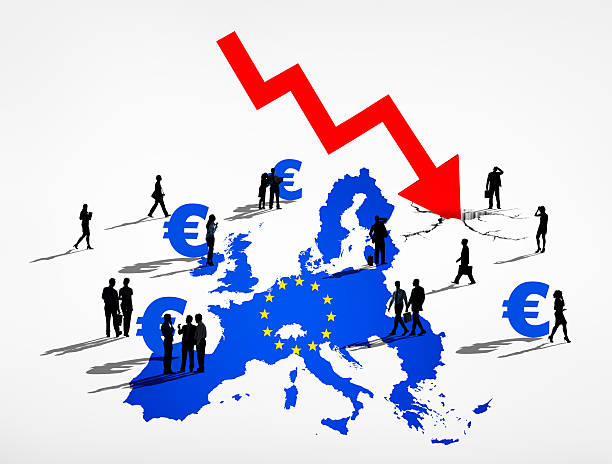
European businesses are operating in a challenging economic climate as slower growth, high interest rates, and elevated energy prices continue to weigh on performance. Companies across the region are being forced to rethink strategies to remain competitive.
Rising Costs Put Pressure on Companies
Manufacturers and service providers are dealing with increased expenses across key areas, including:
-
Energy and fuel, driven by volatile global markets
-
Borrowing and financing, as higher interest rates raise the cost of loans
-
Raw materials and logistics, affected by supply-chain disruptions
Because of these pressures, many businesses are postponing expansion plans and focusing instead on preserving margins and maintaining stability.
Shift Toward Efficiency and Digitalization
To cope with rising costs, European firms are accelerating investments in efficiency and technology. Key focus areas include:
-
Automation and digital tools to boost productivity
-
Energy-efficient operations to lower long-term expenses
-
Supply-chain restructuring to reduce dependence on costly or unreliable suppliers
These measures are helping companies adapt to a more constrained economic environment.
Focus on Resilience and Long-Term Planning
Rather than aggressive growth, businesses are prioritizing resilience, flexibility, and sustainability. Cost control, smarter resource use, and digital transformation are becoming central to long-term planning.
Why This Matters
Europe’s business slowdown has implications beyond the region. It affects global trade flows, investment decisions, and supply chains, underscoring the importance of adaptability in an increasingly uncertain global economy.
