A distinctive product profile is shaped by more than a memorable name. Flavor, aroma, texture, format, packaging, and product information can all influence how a product is presented and understood. When considering a specific profile, it is useful to separate descriptive language from factual product details. This makes comparisons more practical and helps set realistic expectations. Instead of focusing on one characteristic, looking at the full profile can provide a clearer idea of what makes a product different and which details are worth checking before making a decision.
What Makes Alaskan Thunder Stand Out?
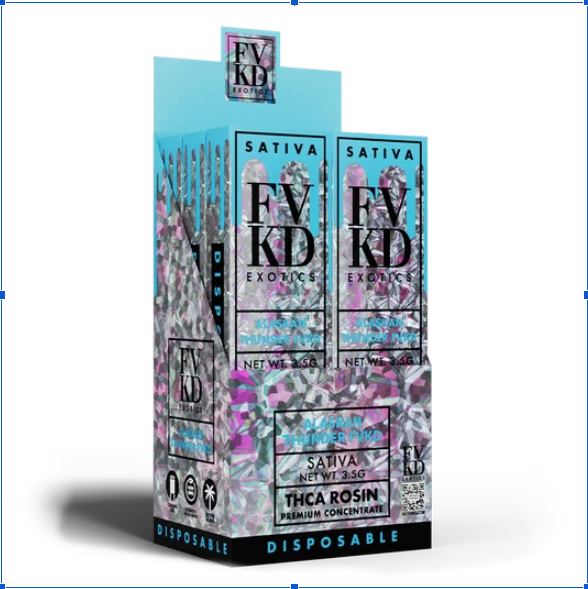
Alaskan Thunder represents a specific product identity, so the first step is understanding the information connected to that exact product. A product name can create expectations, but the complete description gives more useful context. When reviewing alaskan thunder fvkd, consider the flavor notes, aroma, format, cannabinoid information, and packaging, as these details can all contribute to how the product is presented.
The Profile at a Glance
| Characteristic | What to Look For |
| Flavor | Primary and secondary flavor notes |
| Aroma | Described aromatic characteristics |
| Format | Exact product type |
| Texture | Physical consistency where relevant |
| Specifications | Cannabinoid and product details |
| Packaging | Labeling and product information |
| Source | Manufacturer or supplier details |
This type of overview makes it easier to understand the product without relying entirely on its name.
Flavor: What Should You Expect?
Flavor is usually one of the first characteristics people notice when reading about a product. A detailed description can provide an indication of the intended flavor direction and help distinguish one profile from another.
Look for Multiple Notes
Rather than focusing on a single flavor word, read the complete description. Profiles can combine different characteristics, such as:
- Sweet and fruity
- Earthy and herbal
- Citrus and fresh
- Rich and deeper notes
These terms describe intended characteristics rather than guaranteeing that everyone will perceive them in exactly the same way.
Flavor Is Personal
Individual taste perception can vary considerably. Aroma, personal preferences, and sensory sensitivity can all influence how a particular profile is perceived.
For that reason, flavor descriptions work best as a reference rather than a fixed prediction.
Aroma Adds Another Layer
Aroma and flavor are closely connected, but they are not identical. A product can have aromatic characteristics that complement its flavor description without producing exactly the same impression.
Why Aroma Matters
Aroma descriptions can provide additional context when comparing products. They may highlight characteristics that are not fully communicated through the flavor description alone.
Looking at both gives you a more complete picture of the intended profile.
What About FVKD THCA Rosin?
When researching fvkd thca rosin, it is important to understand both the product format and the terminology. THCA refers to tetrahydrocannabinolic acid, while rosin generally describes a concentrate produced through a solventless process using heat and pressure.
Key Details to Check
When reviewing a rosin product, look for:
- Product type and format
- Stated cannabinoid information
- Flavor or terpene details
- Quantity
- Packaging information
- Available testing details
These details are more useful for comparison than relying on the product name alone.
Texture and Appearance: What Do They Tell You?
Texture and appearance can vary between concentrate products. Factors such as processing, composition, temperature, and storage can influence physical characteristics.
Don’t Use Appearance as the Main Test
A particular color or consistency does not automatically establish product quality. Visual characteristics can provide context, but they should be considered alongside specifications, packaging, and other available information. If a product’s appearance seems different from what you expected, checking its current product information is a better approach than making assumptions.
Packaging Can Provide Useful Clues
Packaging is another practical point to check when reviewing a specific product.
Check These Details
Look for:
- Clear product naming
- Readable labeling
- Quantity information
- Product type
- Cannabinoid details
- Manufacturer or supplier information
The information should be reasonably consistent with the product description.
What If Details Don’t Match?
Packaging can change over time, so a difference does not automatically mean something is wrong. However, major inconsistencies are worth verifying before relying on the information. Current product information should generally take priority over old photographs or outdated third-party descriptions.
Where the Product Comes From Matters
The source can make a significant difference when researching product information online. An identifiable supplier gives you a clearer starting point than an anonymous listing.
Compare the Information
Before making a decision, check whether:
- The seller is clearly identified.
- The product description is detailed.
- The information appears current.
- The packaging matches the listing.
- Relevant specifications are available.
This can help reduce confusion when several online listings provide different descriptions.
How Should You Compare the Overall Profile?
Rather than judging a product on one feature, consider the main characteristics together.
A Simple Evaluation Framework
Flavor:
Does the described profile match the characteristics you are interested in?
Aroma:
Does the available description provide additional information about the profile?
Format:
Is the product type clearly identified?
Specifications:
Are relevant cannabinoid and product details provided?
Packaging:
Is the labeling clear and consistent?
Source:
Can the manufacturer or supplier be identified?
This approach keeps the comparison straightforward without giving excessive importance to one characteristic.
What Should You Avoid Assuming?
A few assumptions can make product research less reliable. Keep these points in mind:
Avoid Judging by the Name
- A distinctive name can create expectations.
- The name does not replace the actual product description.
- Check the stated specifications and product information.
Avoid Treating Flavor Claims as Guarantees
- Flavor and aroma descriptions communicate intended characteristics.
- Individual perception can vary.
- Descriptive claims should not be treated as guaranteed outcomes.
Avoid Using Old Information
- Product formats and packaging can change over time.
- Older descriptions or photographs may no longer reflect the current product.
- Current information is more useful when assessing a specific option.
Final Thoughts
A distinctive profile is created by the combination of flavor, aroma, format, texture, and product presentation. FVKD Exotics provides product information through its official channels, giving consumers a reference point when reviewing available details. The most useful approach is to consider several characteristics together, check current specifications, and treat descriptive flavor language as guidance rather than certainty. This creates a clearer and more balanced way to understand what makes a particular profile different.
