Key Takeaways
- Begin with your actual routine, not a badge, trend, or long options list.
- Match the vehicle body style to passenger needs, cargo needs, and parking realities.
- Choose a powertrain that works with your driving distance, charging access, and travel habits.
- Give comfort, visibility, and easy controls as much attention as performance figures.
- Budget for insurance, service, tires, fuel or charging, and expected resale value.
- Use a structured test drive and comparison scorecard before making a final decision.
Table Of Contents
- Start With Real Needs
- Choose The Right Body Style
- Compare Powertrains
- Focus On Comfort And Usability
- Check Safety And Driver-Assist Technology
- Calculate Full Ownership Cost
- Plan A Better Test Drive
- Use A Simple Comparison Scorecard
- Final Checklist Before Buying
- Concusion
Luxury looks different for every Denver driver. Some people want a serene cabin for commuting across the metro area, while others want confident mountain-road manners, space for weekend gear, or open-air enjoyment on clear Colorado days. If a grand touring coupe is on your shortlist, browsing a new Bentley Continental GT for sale can help turn broad preferences into a more specific list of must-have features.
The right choice is not necessarily the largest, quickest, or most feature-packed vehicle. It is the one that feels natural on your daily route, fits your parking situation, supports your passengers, and remains enjoyable when a drive includes I-25 traffic, downtown Denver parking, or a trip toward the foothills.
1. Start With Real Needs
Write down how the vehicle will be used during a normal week. Consider how many people regularly ride with you, whether you carry skis, golf clubs, luggage, or work equipment, and where you usually park. A vehicle that feels ideal during a short showroom visit may feel very different after several tight garage entries or a long drive home from the mountains.
2. Choose The Right Body Style
Each luxury body style solves a different problem. Sedans often reward drivers who value a lower seating position and composed road manners. Coupes emphasize personal driving enjoyment and design, although rear-seat access may be less convenient. Convertibles suit drivers who prioritize open-air motoring. SUVs can make passenger entry, cargo loading, and higher seating positions easier.
Size deserves careful thought in Denver, where garages, street parking, apartment spaces, and mountain-town lots can be more restrictive than a wide dealership parking area. More room can be useful, but only if the vehicle remains easy to place where you drive most often.
3. Compare Powertrains
There is no universal best powertrain. Gasoline vehicles remain familiar for drivers who take frequent long trips and prefer fast refueling. Hybrids can reduce fuel use without requiring a charging routine. Plug-in hybrids may fit short local trips when regular charging is available, while still providing gasoline capability for longer travel. Electric vehicles offer quiet operation and immediate response, but shoppers should plan around home or workplace charging and the routes they use most.
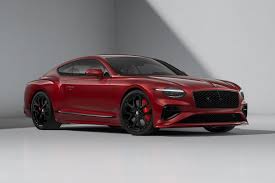
Photorealistic editorial studio shot of a sophisticated luxury grand touring coupe in a neutral light-gray setting, isolated with controlled soft lighting, clean reflections, and a polished commercial automotive finish.
Colorado weather also makes preparation important. Before choosing an electric model, review electric-vehicle ownership considerations alongside your typical winter driving, parking arrangement, and access to charging on longer trips.
4. Focus On Comfort And Usability
Luxury is experienced in small, repeated moments. Set the seat and steering wheel yourself, then check whether the pedals, armrests, screens, and storage areas feel intuitive. Pay attention to highway noise, visibility at intersections, rear-seat access, and the ease of adjusting climate controls without taking attention away from the road.
5. Check Safety And Driver-Assist Technology
Driver-assistance features should support attentive driving rather than create confusion. Ask how adaptive cruise control, lane support, blind-spot alerts, cameras, and automatic emergency braking behave, then try their settings during a drive. Comparing government vehicle safety ratings can also provide a consistent starting point when reviewing eligible vehicles in the same general class.
6. Calculate The Full Ownership Cost
A purchase price or monthly payment is only part of the decision. Build a realistic estimate that includes the down payment, financing or lease charges, insurance, fuel or charging, registration, maintenance, tires, brakes, and likely resale value. Performance-oriented tires and complex features may be worthwhile, but their ongoing costs should fit comfortably within the ownership budget.
7. Plan A Better Test Drive
A brief loop is rarely enough. Try to recreate your routine by driving in stop-and-go traffic, merging onto a highway, parking in a confined space, and traveling over pavement similar to your usual roads. Bring a passenger if rear-seat comfort matters, and bring real items such as a work bag, child seat, or weekend luggage if cargo practicality is part of the decision.
8. Use A Simple Comparison Scorecard
Give each vehicle a score from one to five in the categories below. The goal is not to remove emotion from the purchase, but to make sure excitement does not hide a practical compromise.
- Comfort: Would the seats and ride remain pleasant after several hours?
- Space: Do passengers and everyday cargo fit without effort?
- Driving Feel: Does the steering, braking, and power delivery feel natural?
- Technology: Can you use essential controls without frustration?
- Ownership: Do ongoing expenses suit your financial plan?
- Long-Term Fit: Will the vehicle still work if your needs change?
9. Final Checklist Before Buying
- Confirm that the vehicle fits your garage and regular parking spaces.
- Review passenger, cargo, and seasonal travel needs.
- Compare powertrain range, refueling, or charging requirements.
- Request insurance estimates before committing.
- Review warranty coverage and service expectations.
- Drive at least two comparable vehicles on familiar roads.
- Pause if the decision feels rushed or unclear.
Conclusion
The best luxury vehicle for Denver life improves the drives you already take, whether that means a quiet commute, an engaging canyon road, or a comfortable weekend escape. When comfort, space, technology, safety, performance, and ownership costs all align with your real routine, the right choice becomes much easier to recognize.
