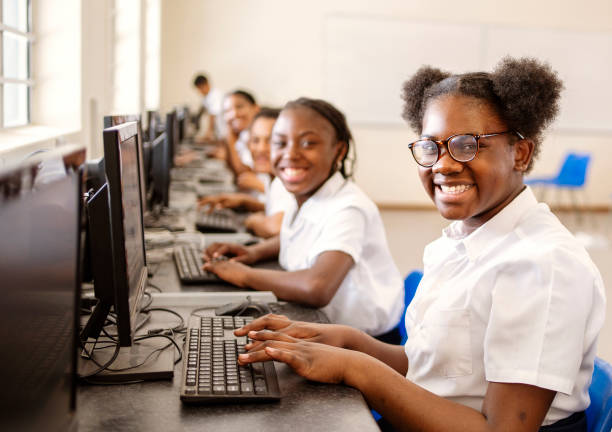
Across Africa, governments and international partners are accelerating efforts to expand access to education through digital platforms, aiming to reach millions of students who remain underserved by traditional schooling systems.
Digital Learning Bridges Education Gaps
In many rural and remote regions, access to physical schools remains limited due to distance, infrastructure challenges, and teacher shortages. To address this, African countries are increasingly adopting:
-
Online classrooms that allow students to learn remotely
-
Mobile-based learning applications accessible on smartphones
-
Radio and television education programs that reach households without internet access
These solutions are helping ensure continuity of learning even in hard-to-reach areas.
International Support Strengthens Education Systems
Global organizations, development banks, and donor countries are playing a key role by investing in:
-
Teacher training and digital skills development
-
Education technology infrastructure
-
Girls’ education and inclusion initiatives
Such support aims to improve learning quality and reduce dropout rates, particularly at the secondary education level.
Focus on Equity and Inclusion
Digital education initiatives are designed to make learning more inclusive by targeting marginalized communities, including girls, displaced children, and low-income households. This approach helps narrow long-standing education gaps across the continent.
Why This Matters
Expanding access to quality education is vital for Africa’s long-term economic growth and social stability. By embracing digital learning, African nations are building a stronger foundation for workforce development, innovation, and sustainable development.
