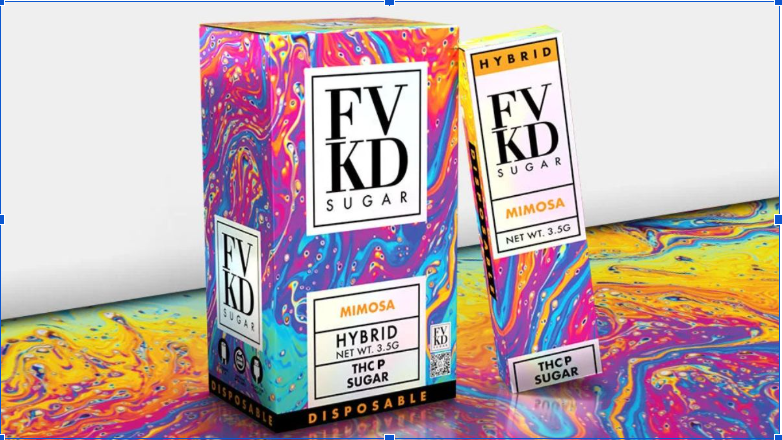
Sweet flavour profiles can make certain cannabis products particularly noticeable, especially when their aroma and taste combine fruity, sugary, or dessert-inspired characteristics. However, a product’s flavour is rarely determined by a single ingredient. Terpenes, extract composition, genetics, processing methods, and individual perception can all contribute to the final profile. Understanding these elements can make it easier to interpret product descriptions and compare different options. For adults considering flavour-focused products, looking beyond the name and examining the available specifications provides useful context before making a purchase.
Understanding Sweet-Flavour Profiles
Sweet flavour profiles can range from fruity and citrusy to candy-like, creamy, or dessert-inspired. Aroma and taste are closely connected, so strong fruity or sugary aromas can influence how a product’s flavour is perceived. Individual perception can vary depending on factors such as temperature, storage, and personal preference.
The Role of Terpenes in Flavour
Terpenes are aromatic compounds found in cannabis and other plants that contribute to a product’s scent and sensory character. Different terpene combinations can create fruity, floral, citrus, or other impressions. Genetics, extraction methods, and formulation also influence the final flavour profile. Reviewing available terpene information can help when comparing products with similar flavour descriptions.
Looking at the Product Characteristics
The term FVKD sugar refers to a product category that can be considered alongside other available formats and profiles. FVKD’s Sugar collection presents multiple options and product details, giving shoppers information about the products rather than requiring them to rely only on flavour terminology.
When evaluating a product in this category, several details can be useful:
- Extract type: Identify what type of cannabis extract is being used.
- Cannabinoid information: Check the stated cannabinoids and their concentrations.
- Flavour description: Look for specific notes rather than relying only on the product name.
- Terpene information: Where available, review the listed terpene profile.
- Product size: Capacity can help with comparing different formats.
- Testing information: Look for available laboratory or quality information.
- Storage guidance: Follow the manufacturer’s recommendations to help maintain product condition.
These details provide a more complete picture than flavour language alone.
Why Sweet Profiles Appeal to Different Preferences
Sweetness is a broad category, and consumers can interpret it in very different ways. One person may prefer fruit-forward notes, while another may be more interested in candy-like or dessert-inspired characteristics. A sweet profile can also be layered. A product may combine a sugary impression with citrus, berries, tropical fruit, cream, or earthy undertones. These combinations can create a more complex aromatic character than a single flavour descriptor suggests.
This is particularly relevant when comparing products within a collection. Reading the descriptions carefully can help distinguish between products that all fall under a broad sweet category but have different individual profiles. It is also worth separating flavour preference from product strength. A sweeter flavour does not inherently indicate a particular potency level. Potency should be evaluated using the stated cannabinoid information rather than inferred from taste or aroma.
How Product Quality and Presentation Matter
Flavour is only one part of evaluating a cannabis product. The overall presentation, extract consistency, packaging, and product information can also influence how a product is assessed. For adults comparing FVKD premium options with other formats, the available specifications can help establish what makes each product different. FVKD’s Premium collection provides product information that can be reviewed alongside flavour, size, and extract characteristics.
A useful comparison should focus on measurable or clearly stated characteristics rather than assumptions based on words such as “premium” or “sweet.” Consider:
- Composition: What cannabinoids and other listed ingredients are present?
- Format: Is the product a disposable, concentrate, or another form?
- Flavour: What specific flavour notes are described?
- Aroma: Are terpene or aromatic characteristics provided?
- Testing: Is relevant laboratory information available?
- Storage: What conditions are recommended by the manufacturer?
This approach keeps the comparison focused on the product itself.
Understanding Flavour Beyond the Name
Product names can create expectations, but they do not provide the complete sensory picture. A name suggesting sweetness may point toward a particular flavour direction, but the actual profile can contain additional layers.
This is why reading the complete product description can be more useful than making assumptions from the name alone. Details about strain background, extract type, terpenes, and flavour notes can provide greater context.
The same principle applies when comparing sweet profiles with earthy, citrus, or fruit-forward products. Each category can contain considerable variation. A person looking for a particular flavour direction should therefore compare the individual descriptions rather than assuming every product within a category will have the same characteristics.
Comparing Sweet and Other Flavour Directions
Sweet profiles can be considered alongside several other broad flavour categories. Fruity products may emphasise berry, tropical, or citrus notes. Earthier products can have herbal, woody, or soil-like characteristics. Dessert-inspired profiles may bring together creamy, bakery, or sugary impressions.
The differences can be useful when narrowing down preferences. However, flavour should remain separate from assumptions about effects or potency. Sensory characteristics describe how a product may smell or taste; they do not independently determine its cannabinoid content or physiological effects.
For that reason, product selection is best approached by considering flavour alongside composition, testing, format, and intended use.
Making an Informed Product Comparison
A distinctive sweet profile is shaped by several interacting characteristics rather than one defining ingredient. Terpenes, genetics, extraction, formulation, and individual perception can all contribute to the final sensory experience. When considering options such as FVKD Premium, these factors can provide useful context when comparing flavour profiles.
For adults comparing products, the most useful approach is to review the available information carefully and consider the complete specification. Looking at flavour notes alongside cannabinoid details, extract type, product format, and testing information creates a more balanced basis for comparison.
Conclusion
Sweet cannabis profiles can range from fruity and sugary to creamy and dessert-inspired, with terpenes and other product characteristics helping shape the overall sensory impression. Paying attention to detailed descriptions can make comparisons more meaningful and reduce assumptions based solely on product names. FVKD Exotics provides different collections and formats, giving adults multiple characteristics to consider when assessing their preferences. Ultimately, understanding the flavour profile alongside composition, testing, format, and storage information provides a more complete way to evaluate a product.
