Key Takeaways
- Vacuuming upholstered furniture regularly removes crumbs, dust, pet hair, and loose debris before they work further into seams and cushions.
- Always check the furniture care tag before using water, soap, or spot-cleaning products.
- Blot fresh spills instead of scrubbing them, which can spread the stain or roughen fabric fibers.
- Deep-cleaning needs vary by fabric, household activity, pets, children, odors, and visible soil.
- Lincoln homes can benefit from a simple maintenance routine during muddy seasons, dry winter months, and busy indoor gathering periods.
From family-room sectionals to dining chairs and favorite recliners, upholstered furniture handles a great deal of everyday life in Lincoln, Nebraska. It can collect body oils, dust, food particles, pet fur, and odors even when it still looks reasonably clean from across the room.
For furniture with widespread soil, stubborn spots, or lingering odors, upholstery cleaning service Lincoln, NE from Premium Carpet Care provides a local option focused specifically on upholstered furniture. Based in Lincoln, Premium Carpet Care offers upholstery cleaning to address embedded dirt, stains, and odors, using equipment designed to remove excess moisture, making its dedicated service a valuable resource for homeowners who need more than routine surface care.
Why Upholstered Furniture Needs a Care Plan
Fabric upholstery acts like a filter for daily household activity. Dust settles into creases, crumbs slip beneath cushions, and oils from hands, skin, and hair gradually transfer to armrests and headrests. A sofa may appear clean but still hold buildup in the seat seams, beneath removable cushions, and along the edges where people sit most often.
A regular care plan helps keep small issues from becoming harder to manage. It also gives homeowners a chance to notice fading, loose threads, snags, cushion wear, and new stains before those problems become more noticeable.
Start With the Furniture Care Tag
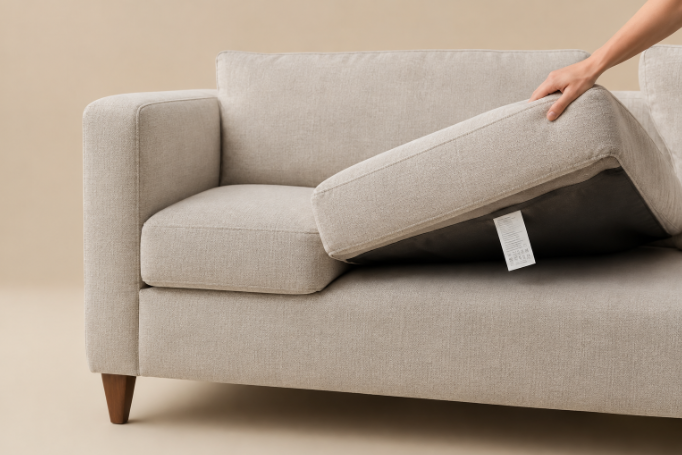
Before cleaning any upholstered piece, find the manufacturer’s care tag. The tag may be under a cushion, beneath the frame, or attached near the underside of the furniture. Common codes include:
- W: Water-based cleaners may be appropriate.
- S: A solvent-based cleaning product may be required.
- W/S: Water-based or solvent-based methods may be allowed, depending on the product and fabric.
- X: Vacuuming or light brushing may be the recommended home-care approach.
If the tag is missing or unclear, avoid guessing. Fibers, dyes, backing materials, cushion fill, and furniture construction can react differently to moisture and cleaning solutions.
A Simple Weekly Upholstery Care Routine
- Remove loose cushions, if the design allows it.
- Vacuum the seat, back, arms, seams, and area beneath the cushions with an upholstery attachment.
- Use a soft brush to lift pet hair or lint from durable fabrics.
- Look for new spills, frayed threads, fading, or changes in texture.
- Rotate and fluff removable cushions according to the furniture maker’s instructions.
Vacuuming is one of the safest forms of routine upholstery care because it removes dry debris without adding moisture. This is especially useful during Nebraska winters, when more time indoors can mean more frequent use of sofas, chairs, and upholstered benches.
What to Do When a Spill Happens
Quick action matters, but aggressive cleaning can make a fresh spill worse. For coffee, juice, food, mud, or a pet accident, follow a measured response:
- Lift solid material with a spoon or dull edge.
- Blot liquid with a clean, white cloth or paper towel.
- Work from the outside of the affected area toward the center.
- Test any approved cleaning product in a hidden area first.
- Allow the fabric to dry completely before deciding whether more treatment is needed.
Scrubbing can push soil deeper into the fabric, spread the mark, or alter the surface texture. It is also wise to avoid combining household products, since mixed chemicals may cause unwanted reactions or leave residue.
Common Home Cleaning Mistakes
- Using too much water on a water-sensitive fabric.
- Applying bleach, laundry detergent, or strong multipurpose cleaners without checking the care code.
- Skipping a hidden-area test.
- Using heat to quickly dry a wet cushion.
- Ignoring odors that return after the surface has dried.
- Treating every stain as though it is only on the surface.
A stain or odor may reach the fabric backing, padding, or cushion fill. In those cases, a surface-only treatment may improve appearance without fully addressing the underlying issue.
How Often Should Upholstery Be Deep Cleaned?
There is no single schedule that fits every household. Lightly used guest-room furniture may need less attention than a living-room sofa used daily by children, pets, and visitors. Consider deep cleaning when furniture develops visible soil, recurring odors, sticky-feeling armrests, pet-related buildup, or stains that do not respond to safe spot care.
Professional cleaners typically consider fabric type, construction, inspection findings, cleaning systems, spot treatment, and post-cleaning care. The professional upholstery cleaning standard outlines these considerations, including fibers, methods, tools, stain removal, and inspection practices.
When Professional Cleaning Makes Sense
Professional evaluation can be a practical choice when a large sofa has multiple stains, furniture has delicate or vintage fabric, odors keep recurring, or previous cleaning attempts have caused rings, fading, or changes in texture. It may also help with deep cushions and tight areas that are difficult to vacuum or treat thoroughly at home.
How to Prepare for a Cleaning Visit
- Remove blankets, toys, books, remotes, and small items from the furniture.
- Point out stains, pet accidents, odors, and previous spot-cleaning attempts.
- Locate the care tag if possible.
- Move fragile items away from the work area.
- Ask about expected drying time and aftercare instructions.
- Keep children and pets away until the furniture is ready for normal use.
Ways to Reduce Future Wear
- Keep furniture out of strong direct sunlight when possible.
- Use washable throws in high-use seating areas.
- Trim pet nails to help reduce snags.
- Address spills promptly.
- Rotate cushions to distribute normal wear.
- Avoid placing furniture directly beside heaters or damp walls.
Frequently Asked Questions
Can every sofa be steam cleaned?
No. The safest approach depends on the care code, fiber type, dye stability, backing, cushion fill, and overall condition. Some pieces require low-moisture or solvent-based methods, while others may need professional assessment before any wet cleaning.
How long does upholstery take to dry?
Drying time varies with fabric, humidity, airflow, cushion thickness, cleaning method, and the amount of moisture used. Follow the cleaner’s instructions and avoid using the furniture until it is fully dry.
Does upholstery cleaning remove every stain?
No. Some stains permanently change fabric dye or damage fibers before cleaning begins. A careful inspection can help distinguish removable soil from permanent discoloration, fading, or wear.
Conclusion
Clean upholstery begins with simple habits: check the care tag, vacuum often, blot spills promptly, and avoid harsh products. For Lincoln homeowners, a steady routine can help sofas, chairs, and other upholstered pieces stay more comfortable and presentable through changing seasons, busy households, and everyday use.
