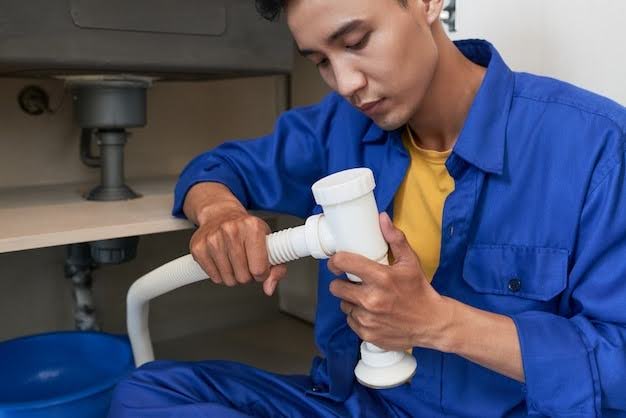
A sump pump quietly protects your basement from flooding, especially during heavy rain or snowmelt. Because it works out of sight, small problems often go unnoticed until water appears on the floor. Timely sump pump repair can prevent costly water damage, mold growth, and ruined belongings. Learning the warning signs helps you act early and keep your home safe and dry.
1. Strange or Loud Noises
A healthy pump makes a steady, low hum. If you hear grinding, rattling, or squealing, it may be time for sump pump repair.
These sounds often point to worn bearings, a damaged impeller, or debris stuck inside the unit. Ignoring them can lead to sudden failure when you need the pump most. Early attention is almost always cheaper than emergency repairs.
2. Frequent Cycling On and Off
When a pump turns on and off too often, something is wrong. Professional sump pump repair can fix a stuck float switch, incorrect pit size, or a faulty check valve.
Constant cycling wears out the motor quickly, so addressing the cause early can extend the life of your equipment. Smaller issues are much easier to fix.
3. Pump Runs Constantly or Not at All
A pump that never stops may be struggling with a stuck switch, clogged intake, or heavy groundwater.
A pump that refuses to start is even more serious. In either case, quick sump pump repair is important, because an overworked motor can overheat and fail during a storm.
4. Visible Rust, Corrosion, or Damage
Check your pump regularly for rust, cracks, or strange discoloration in the water. Corrosion weakens parts and reduces efficiency.
If you notice damage, schedule sump pump repair before the problem worsens. Replacement may be recommended if the unit is badly worn or very old.
5. Musty Smells and Basement Dampness
Persistent moisture, mildew odors, or damp walls may indicate that your pump is not removing water properly.
Timely sump pump repair helps restore drainage and protects your foundation, stored items, and indoor air quality. Mold can spread quickly, so do not wait for visible flooding.
6. Age of the Pump and Lack of Maintenance
Most pumps last around seven to ten years, depending on use and care. Regular inspection and sump pump repair keep older units working properly. Test your pump twice a year by pouring water into the pit and watching it activate and drain.
Final Thoughts
Prompt sump pump repair is one of the simplest ways to protect your home from flooding and expensive damage. Pay attention to noises, odors, rust, and unusual running patterns, and test your system before storm season. Hire a licensed plumber or waterproofing specialist, and ask for a clear estimate before work begins. Consider installing a battery backup, since power outages often happen during heavy storms. Remember that costs and recommendations vary depending on your pump type, home, and local conditions. Regular maintenance can save money and stress in the long run. If you notice any warning signs, contact a professional today and keep your basement safe and dry.
