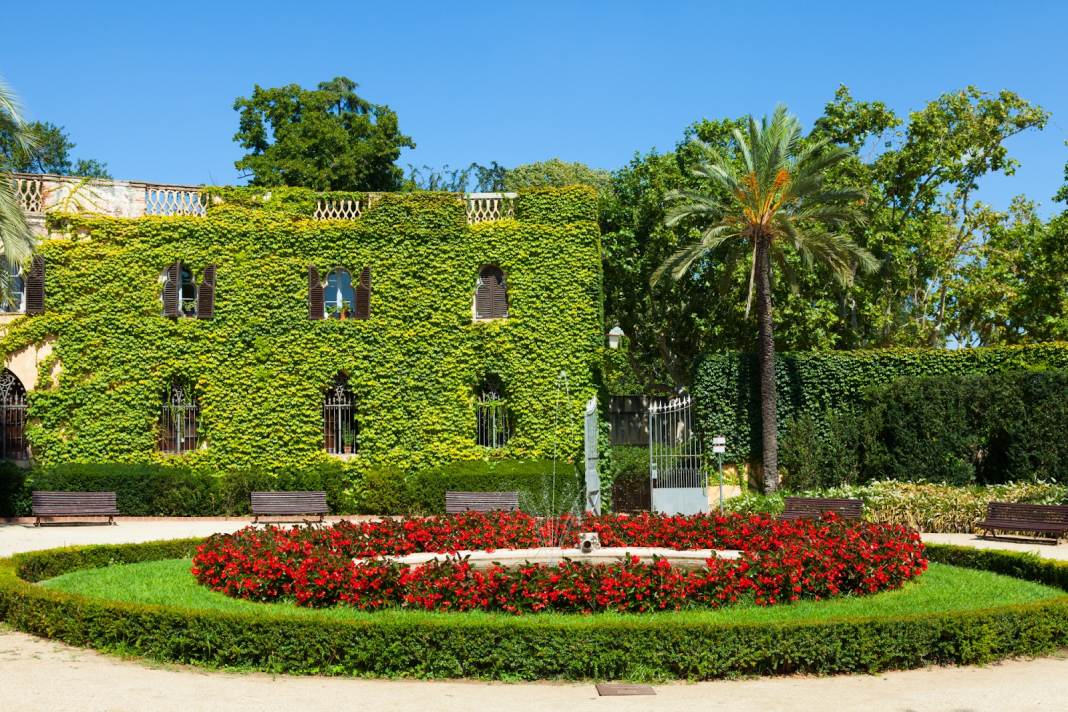
Creating outdoor spaces that combine functionality with visual appeal requires planners to make strategic choices. The outdoor space needs to provide user-friendly access, aesthetic appeal, and durable materials. This makes it suitable for permanent use. The design of a home garden, commercial landscape, or public outdoor space should create both comfort and usability through its elements.
Outdoor spaces that operate efficiently reduce maintenance requirements. It also protects against common problems, such as drainage issues and excessive space use. Spaces that attract visitors to a location increase property value and create a pleasant experience.
1. Landscape Architecture for Smart Outdoor Planning
The most effective way to develop attractive outdoor spaces requires landscape architecture. This serves as a fundamental approach to spatial organization. The system handles the design process that determines the functions of plants integrated with pathways, chairs, and open space. A design that considers site conditions will create pathways that direct people through the area while making efficient use of available space.
The optimal landscape design requires assessing environmental factors, including sunlight distribution, shaded areas, wind patterns, and soil types. These factors help select plants and features that remain healthy throughout the year. The appropriate arrangement of outdoor elements achieves visual equilibrium while maintaining simple maintenance requirements for the area.
2. Landscape Drainage for Long-Term Efficiency
Landscape drainage maintains outdoor spaces by providing both operational capacity and safety. Improper drainage systems can lead to water accumulation, resulting in hazardous surfaces, soil erosion, and damage to vegetation. The situation progressively becomes an expense that requires substantial financial resources to address.
The drainage system removes excess water from walkways, patios, and landscape areas that connect all outdoor areas. This process protects buildings from water damage while maintaining outdoor areas, which remain accessible after intense rainfall. Effective drainage systems maintain optimal plant growth conditions by minimizing waterlogging.
3. Durable and Visually Appealing Materials
The process of selecting appropriate materials stands as a vital design approach. Outdoor materials should be strong enough to withstand weather changes while maintaining their visual appeal. Stone, concrete, treated wood, and quality pavers remain popular among builders seeking durable structures that will last over the years.
The use of durable materials reduces the need for ongoing repairs and material replacements. They also help outdoor spaces retain their neat, attractive look. The design elements create a unified visual experience because all materials maintain a consistent design style throughout the space.
4. Flexible and Functional Outdoor Layouts
Outdoor space planning should include various design options. This space must provide multiple functions, including relaxation, social events, and regular activities. The design enables people to move freely, while accommodating future requirements through adaptable elements.
Designing flexible spaces enables smoother implementation of additional features through simple expansion procedures. The strategy establishes a system that maintains operational efficiency while adapting to outdoor space requirements.
5. Easy Maintenance and Sustainability
Implementing low-maintenance design methods reduces time and costs throughout the project. The selection of native plants, straightforward landscape designs, and robust materials decreases the need for ongoing maintenance. Maintaining the area becomes simpler, and maintenance work becomes more straightforward.
Implementing sustainable design choices, such as water-efficient landscaping and appropriate plant spacing, fosters environmental conservation. Strategic planning of maintenance activities in the initial stages will preserve the outdoor space’s visual appeal. It also provides operational efficiency for decades to come.
