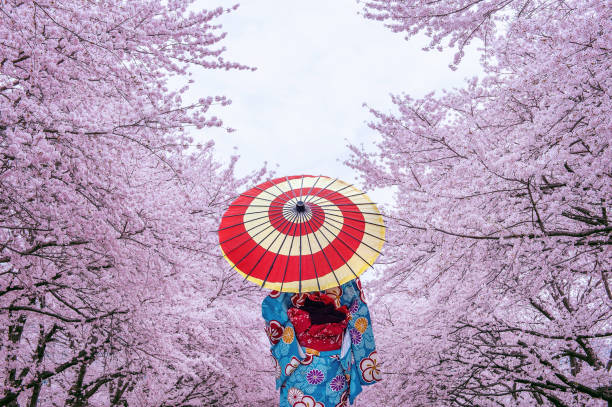
Japanese traditional fashion is deeply rooted in history, symbolism, and craftsmanship. Known for its elegance and attention to detail, it reflects Japan’s cultural values of harmony, simplicity, and respect for nature.
The Kimono: Heart of Traditional Japanese Dress
The kimono is the most iconic garment in Japanese fashion. Worn on special occasions such as weddings, tea ceremonies, and festivals, it is characterized by:
-
Straight-lined construction
-
Wide sleeves and a wrap-around design
-
Rich patterns inspired by nature and seasons
Different types of kimono—such as furisode, tomesode, and yukata—are worn based on age, occasion, and marital status.
Yukata: Casual and Seasonal Wear
The yukata is a lighter, cotton version of the kimono, commonly worn during summer festivals and fireworks events. Its simple design and vibrant patterns make it both comfortable and visually striking.
Obi and Traditional Accessories
A kimono is incomplete without the obi, a wide decorative belt that secures the garment. Traditional accessories include:
-
Geta and zori (traditional footwear)
-
Kanzashi (ornamental hairpins)
-
Tabi (split-toe socks)
Each accessory adds meaning and balance to the overall look.
Textiles and Craftsmanship
Japanese traditional fashion showcases exceptional textile techniques such as:
-
Shibori (tie-dye)
-
Yuzen (hand-painted designs)
-
Sashiko (decorative stitching)
These methods highlight the artistry passed down through generations.
Symbolism and Seasonal Influence
Colors and motifs often represent:
-
Cherry blossoms for renewal
-
Cranes for longevity
-
Waves and clouds for strength and resilience
Seasonal themes guide fabric choice and design, reinforcing the connection between clothing and nature.
Traditional Fashion in Modern Japan
While daily wear has modernized, traditional clothing remains an important part of Japanese identity. Designers today blend classic elements with contemporary styles, keeping tradition alive in modern fashion.
Why Japanese Traditional Fashion Matters
Japanese traditional fashion is more than clothing — it is a living art form. Its influence can be seen in global fashion, design, and aesthetics, proving that tradition and innovation can coexist beautifully.
